
Exploring the cultural significance of casinos in modern society
Exploring the cultural significance of casinos in modern society
The Historical Evolution of Casinos
Casinos have a rich history that dates back centuries, originating from ancient civilizations where games of chance were played for entertainment and social engagement. Over time, this evolved into more structured forms of gambling, leading to the establishment of the first official casinos in the 17th century in Italy. These establishments were primarily places for the elite to socialize, gamble, and enjoy entertainment, thereby laying the groundwork for the modern casinos we know today. As technology has progressed, innovative options like the Casoola casino app have emerged, making gambling more accessible to a wider audience.

The 20th century marked a significant turning point for casinos, particularly with the legalization of gambling in various parts of the world. Las Vegas emerged as a gambling mecca, attracting millions seeking thrills and fortune. This development not only transformed local economies but also cemented casinos as cultural landmarks, influencing popular culture, music, and film, thereby enhancing their significance beyond mere gambling.
Today, casinos serve as multifaceted entertainment hubs that offer a variety of experiences beyond gambling, including dining, live performances, and luxury accommodations. This evolution reflects broader societal changes, where the casino environment has adapted to meet the desires of a diverse clientele, thus reinforcing their cultural importance in modern society.
The Social Dynamics of Casino Culture
Casinos play a pivotal role in shaping social interactions and community dynamics. They are often viewed as communal spaces where individuals from various backgrounds converge, fostering a sense of belonging and shared experiences. The excitement of gaming, the thrill of winning, and even the camaraderie developed among players contribute to the social fabric of casino culture.
Moreover, casinos frequently host events and promotions that encourage socialization, such as tournaments and themed nights. These events not only elevate the gaming experience but also stimulate local economies through increased foot traffic and tourism. As such, casinos have the power to unite diverse groups, creating connections and friendships that might not have otherwise formed.
However, the social aspects of casinos can also lead to complex dynamics. While many enjoy the recreational aspect of gambling, others may struggle with addiction, impacting their social relationships and communities. This duality highlights the need for responsible gambling practices, ensuring that the fun and socialization opportunities provided by casinos do not overshadow the potential risks involved.
Economic Impact of Casinos
Casinos significantly contribute to local and national economies through job creation, tax revenue, and tourism. They provide thousands of jobs, from gaming staff to hospitality roles, thereby boosting employment opportunities in the surrounding areas. The economic benefits extend beyond the casino itself, as local businesses, such as restaurants and hotels, also thrive due to increased visitor numbers.
Additionally, the tax revenue generated from casinos can be substantial, often funding public services and community projects. States and municipalities leverage these funds to improve infrastructure, education, and healthcare, further demonstrating the broader economic implications of the casino industry. The financial inflow can lead to transformative changes in local communities, making casinos critical components of economic strategies.
Furthermore, the advent of online gambling has expanded the economic footprint of casinos, allowing them to reach a global audience. This shift has opened new avenues for revenue generation, yet it also presents challenges in terms of regulation and consumer protection. Overall, the economic impact of casinos remains a double-edged sword, reflecting both their potential benefits and the complexities that accompany them.
The Role of Technology in Modern Casinos
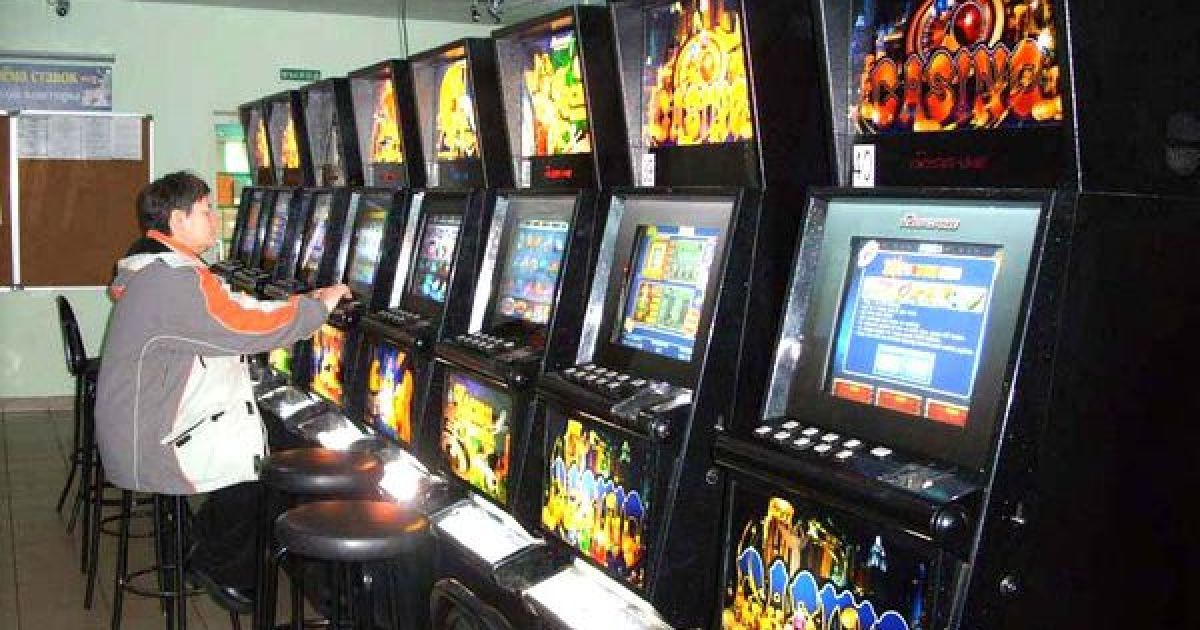
Technology has revolutionized the casino landscape, enhancing both the gaming experience and operational efficiency. Innovations such as mobile gaming, virtual reality, and advanced slot machines have attracted a younger demographic, reshaping the traditional image of casinos. This integration of technology not only caters to new gaming preferences but also improves user engagement through interactive features.
Online platforms have become a significant part of the casino industry, allowing players to enjoy their favorite games from the comfort of their homes. This shift has been accelerated by the COVID-19 pandemic, which saw many land-based casinos temporarily close. The adaptability of the industry to incorporate technology has ensured its resilience and relevance in a rapidly changing world.
Moreover, technology plays a crucial role in promoting responsible gambling. Advanced algorithms and analytics can identify problematic behavior, allowing for timely interventions. By prioritizing player safety, casinos can foster a positive image and cultivate a loyal customer base. In this manner, technology not only enhances the gaming experience but also aligns with broader societal values of responsibility and care.
Safeguarding Users in the Casino Environment
In today’s digital age, ensuring user protection in casinos—both online and offline—is paramount. As gambling becomes increasingly accessible, the risks associated with it, including fraud and addiction, have risen. Casinos are adopting comprehensive security measures to safeguard their patrons, from advanced surveillance systems to data encryption technologies for online platforms.
Furthermore, educating users about responsible gambling practices is crucial. Many casinos now offer resources and support for individuals who may face challenges related to gambling. This commitment to user welfare enhances the casino’s reputation and builds trust within the community, allowing individuals to enjoy gaming as a form of entertainment rather than a source of distress.
The necessity of a secure environment is underscored by the increasing threats posed by cyberattacks and fraud in online gaming. Casinos must remain vigilant, continually updating their security protocols to protect both their patrons and their data. This focus on security not only contributes to a safe gaming atmosphere but also reinforces the cultural significance of casinos as responsible entertainment venues.